1 Thought:
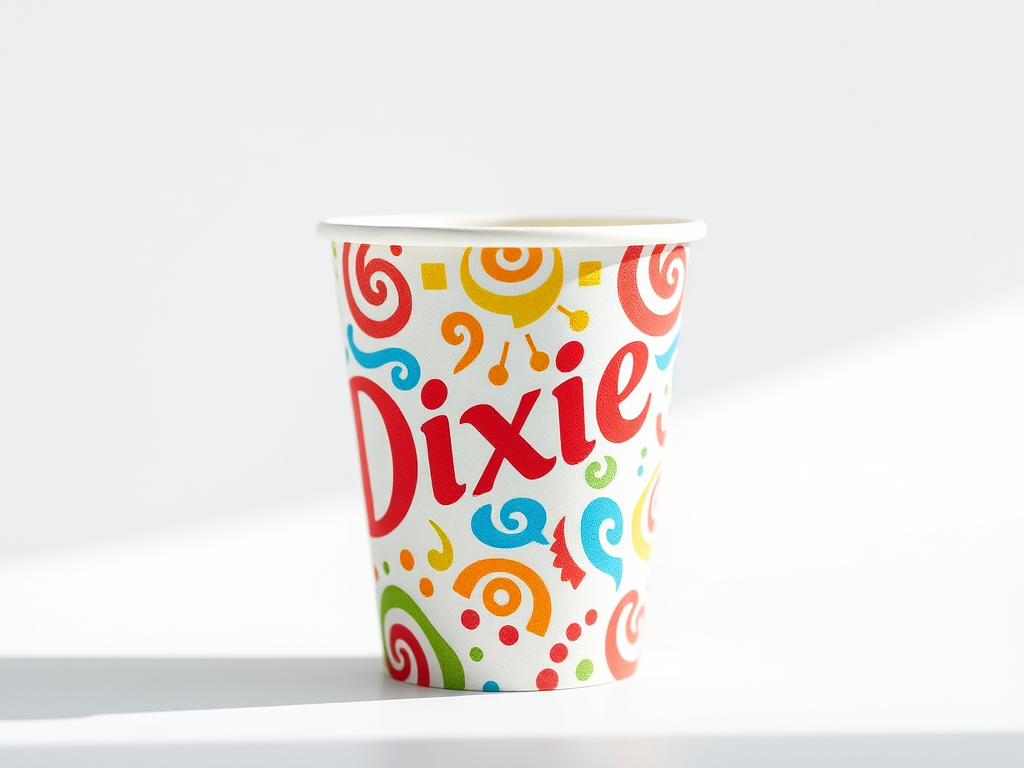
Speaking for myself, I think it’s crazy how the most random of memories pop into my head sometimes. I can be walking the dog, sipping coffee, or half-listening to the news when a childhood moment hits me like a flashback in a movie. Today’s gem? Those tiny little Dixie cups of fluoride rinse we used to get at school.
Now, if you’re over 50, you probably know exactly what I’m talking about.
Back in elementary school—at least in my district—there was a routine (although I can’t recall how often) where someone would roll in with a tray of those tiny cups. Each one held a small amount of some brightly colored fluoride rinse. We’d all line up, rinse, swish like our lives depended on it, and spit it back out. Just another Tuesday, right?
In hindsight, it’s funny how normal it all felt. Back then, fluoride wasn’t in our drinking water yet—at least not in the town I grew up in—so that tiny paper cup was supposed to be our knight in shining armor against cavities and weak teeth.
Now, despite my sarcasm, I have to admit: I’ve never had a cavity. Not one. So, maybe the “magic rinse” did work? Or maybe I just hit the genetic lottery on tooth enamel. Who knows. But here’s the thing—it makes me wonder how many other things we’ve all done, taken, or believed in over the years because “the experts” said it was the right move… only to find out later, maybe it wasn’t.
Fast forward a few decades and fluoride has done a complete 180 in some circles. These days, a lot of people go out of their way to filter it out of their water. The same compound that used to be considered essential for healthy teeth is now being linked to a laundry list of possible health risks, including neurological problems and lower IQ in kids.
What happened?
When the “Best Thing Ever” Becomes Questionable
We live in a world that changes its mind—a lot. And it’s not just fluoride. Think of all the health fads, diets, exercises, and miracle supplements that have come and gone over the years.
Let me take you on a quick trip down memory lane:
Low-fat everything. In the ‘80s and ‘90s, fat was public enemy #1. We all stocked our fridges with fat-free yogurt, margarine, and SnackWell’s cookies. And yet… we got fatter. Carb cutting. Then came the Atkins craze. Suddenly, bread was evil, but bacon was your best friend. Now? Balance is back, and we know carbs aren’t the villain. Just maybe not 12 bagels a day. Jazzercise. Tae Bo. P90X. CrossFit. Each one promised to be the solution for a perfect body. Some helped. Some hurt. All came with hype. Cigarettes… prescribed for nerves. Yes, let’s not forget this medical breakthrough from earlier generations. In the 1940s and ‘50s, doctors were literally in cigarette ads. Hard to imagine, right?
Time and again, we fall for “the next big thing” only to realize it wasn’t the whole picture—or worse, it may have done more harm than good.
So the real question becomes: Why do we keep doing this to ourselves? And more importantly, how can we recognize the signs before we go too far?
The Pattern of Overdoing It
Here’s a hard truth: most things aren’t inherently bad for us—until we overdo them.
The problem is, we’re often promised quick fixes. And we love that idea. Who wouldn’t? Lose weight fast. Get strong in 30 days. Reverse aging. Double your energy. Erase pain. Sleep better. Feel younger. All with just one simple thing.
The thing is, we tend to ruin the potential of something useful by going overboard.
Take fluoride. A little in your toothpaste? Probably a good idea. Chugging gallons of fluoridated water, chewing fluoride tablets, getting treatments and supplements on top of that? That’s where concerns start cropping up.
Same with diet fads. Cutting carbs might help certain people. But if you remove every grain, fruit, and vegetable because they might have carbs, your body’s going to rebel. Fast.
Even exercise isn’t immune. Moderate activity is one of the best things you can do for your health. But work out like a maniac every day without recovery? You’re flirting with burnout, injury, and hormone imbalances. (I literally have a chiropractic visit tomorrow for overdoing…100% my fault)
It’s all about balance, moderation, and listening to your body—which isn’t as exciting as “fix everything in 10 days,” but it’s the truth.
How to Tell When You’re Being Sold a Fantasy
So how do we recognize when something that seems good might be too good to be true?
Here are some of the red flags I’ve come to trust over the years—lessons learned from trends, regrets, and a healthy dose of common sense:
1. Does it sound too good to be true?
If something promises a miracle, it’s probably not legit. Especially if it comes with a countdown timer or a limited-time-only offer. Real solutions take time, effort, and consistency.
2. Check the source.
Is the advice coming from a doctor or scientist—or a 24-year-old influencer with great lighting and a paid partnership? Credentials matter. Testimonials can be helpful, but science and studies should back claims up.
3. How aggressive is the marketing?
It’s true: great products and ideas often don’t need a hard sell. If you’re being bombarded with ads, urgency, or upsells every five minutes, the product might not hold its own.
4. Does it ignore individuality?
Be wary of anything that claims to work for everyone. We’re not carbon copies. Genetics, lifestyle, age, health history—it all matters. What works wonders for your neighbor might make you feel worse.
5. Are people suddenly scared not to do it?
Fear sells. And a lot of trends use that to their advantage. “If you don’t detox now, you’ll get sick!” “If you keep drinking tap water, you’ll lose brain cells!” Creating urgency through fear is a manipulation tactic, not a helpful insight.
Finding What Still Works for You
Now, this isn’t to say you should ignore every new trend or recommendation. There are amazing innovations out there. Better ways of eating. Safer ways to exercise. Technology that helps us sleep, heal, and stay independent longer.
The goal isn’t to resist change. The goal is to question it first.
Try it on. See how it feels. Give it some time. And always stay open to the idea that it may not be for you—even if it’s “hot” or backed by celebrities.
The challenge, especially as we age, is to not become either too skeptical or too gullible. It’s a delicate dance. Stay curious, stay cautious, and most of all—listen to your own gut. That’s wisdom talking.
A Few Things I Still Believe In (And Why)
To close, I want to share a few things I’ve stuck with over the years—lessons that have held up despite trends, fads, and flashy new alternatives:
Walking is underrated. No fancy gear. No gym membership. Just put on shoes and go. It clears the mind and strengthens the body. Simple foods > extreme diets. Real, whole foods—veggies, fruit, lean proteins, whole grains—still beat any cleanse or pill. Sleep is gold. No amount of supplements or workouts can replace the healing power of good, consistent sleep (this I do my best with as I do have a serious sleeping disorder but I do get all I can). Connection matters. Loneliness does more harm than a cheeseburger ever could. Stay in touch. Laugh. Be seen and be as present as you can. Your body keeps the score. If something makes you feel worse—even if everyone else swears by it—honor your experience.
Final Thoughts: Don’t Be Afraid to Change Your Mind
I started this post thinking about a little cup of fluoride—and ended up reflecting on how much our understanding of “what’s good for us” has changed over the years.
And it should change.
Science evolves. New research replaces old myths. We learn. We grow. And if we’re lucky, we get better at figuring out what’s right for us in the long run.
The biggest takeaway? Don’t be afraid to reevaluate. What worked before may not work now. What was “essential” back then may be irrelevant today. And what’s marketed as a miracle might just be the latest in a long line of overhyped disappointments.
But with a little critical thinking, a dash of skepticism, and a whole lot of self-awareness, we can navigate it all.
Even if it starts with a Dixie cup of fluoride.
1 Quote:
” Be moderate in all things, including moderation.”
– Oscar Wilde
1 Question:
What do you do in your personal or work life in excess that isn’t serving you, or worse is hurting you? What beliefs are you acting on that might be just hype and lack foundation in fact?
Now what are you going to do about it?
__________________________________________________________________________
P.S. If you like what you are getting from this blog, it would be appreciated if you shared it with other like-minded individuals. The more people that subscribe, the better the comments, and the better we all become from that feedback. I appreciate the support!
FYI… reminder when you subscribe that for your privacy protection you must go to the email you entered and click confirm.
 A Few-Things
Leave a comment